So, You Have a Camera?
That Don’t Impress Me Much.
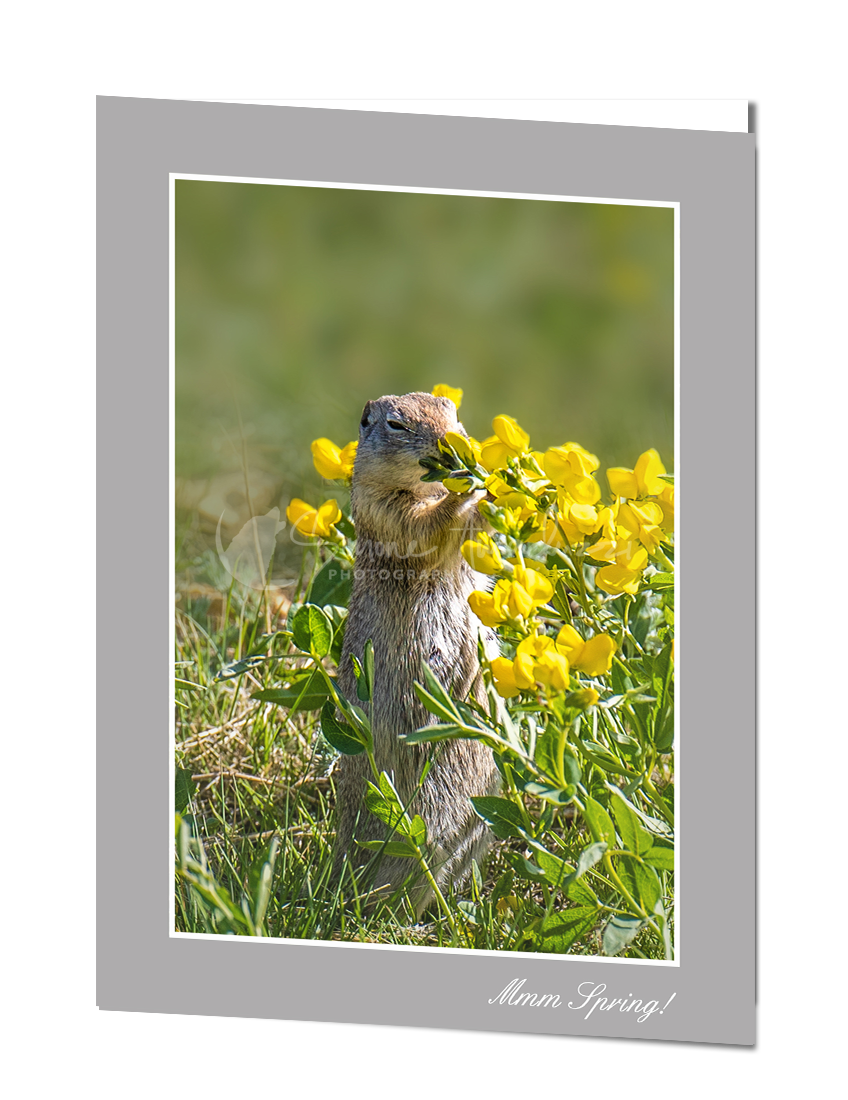
“With a camera like yours, I could take pictures like that too.”
I understand where that thought comes from. A large lens attracts attention, and modern cameras can do remarkable things. They recognize an animal’s eye, follow movement, and capture details in light that would have been difficult to work with years ago. When someone sees that equipment beside a finished photograph, it is easy to connect the two and assume the camera deserves most of the credit.
And yes, equipment makes a difference. Otherwise, photographers would have very little reason to invest in it. The right lens can make a photograph possible from a safe distance. A reliable autofocus system can improve your chances with a moving subject. Some assignments require capabilities that a simpler camera cannot provide. I use those tools because they help me do my work.
What interests me is everything the camera still leaves for us to decide.
It can recognize an eye, but it cannot decide whether the expression is worth photographing. It can produce a perfectly exposed image of a scene that says very little. It will record the distracting branch behind your subject just as faithfully as it records the subject itself. Give it an ordinary composition, and it can deliver an extraordinarily detailed version of that ordinary composition.
Those decisions belong to the person looking through the viewfinder. Where to stand, what to include, what to leave out, when to wait, and when there is simply no photograph worth taking: none of that arrives in the box.
The next camera is an attractive answer
When our photographs disappoint us, equipment gives us something concrete to blame. Perhaps we need more megapixels, a sharper lens, or the autofocus system everyone is talking about. There are reviews to watch, specifications to compare, and a purchase that promises progress. It feels good to have an answer.
Looking at our own decisions is less comfortable. Was the light wrong for what we wanted to show? Did we settle for the first viewpoint? Were we so interested in the animal that we forgot to look at the background? These questions ask us to change something about how we work, and that usually takes longer than placing an order.
Sometimes an upgrade really is the answer. If you understand exactly which limitation is preventing you from making a photograph, buying the right tool makes sense. But “I don’t like my pictures” is a difficult problem to solve at a camera store. Before spending more money, it helps to know what, specifically, you expect that purchase to improve.
Sharp is a beginning
Learning to recognize technical mistakes is relatively straightforward. An image is out of focus. The highlights are lost. The shutter speed was too slow for the movement. You can identify the problem, practice, and improve.
Learning to recognize an uninteresting photograph can be harder.
The subject may be beautiful. The file may be sharp enough to print across an entire wall. Everything may be working exactly as the manufacturer promised, and still there may be very little reason for someone to stop and look. That is an uncomfortable discovery, but it is also a useful one. It means the next step in your photography might have more to do with how you see than with what you own.
For me, that is where the work becomes especially interesting. What caught my attention? Have I made it visible to someone who was not there? Is there something in this frame that holds their attention once the initial attraction of the subject has passed?
A camera can give you more detail. You have to give someone a reason to care about it.
The viewer wasn’t there
As photographers, we bring a great deal of information to our own images. We remember the journey, the weather, the anticipation, and the effort. We know what we carried and what it cost. By the time we open the photograph on a screen, we already have an emotional investment in it.
The viewer starts somewhere else. They see what is inside the frame.
A story can add meaning and help someone connect with a photograph. I enjoy sharing those stories. But I also have to be honest enough to ask whether the image works before I explain everything it took to get it. A difficult experience can produce an ordinary photograph. An unexpected moment close to home can produce a wonderful one. The effort and the result do not always match.
Learning to separate the two is part of learning to judge your own work.
So, enjoy the camera
If you have bought a camera because you want to explore photography, enjoy it. You do not need to earn the right to begin, and you do not need to apologize for being a beginner. Ask questions, experiment, and let yourself make photographs that you will look at differently a year from now. That is how learning works.
But give yourself time to become more capable than you were when you opened the box. Learn what your equipment does well, recognize where it limits you, and pay attention to the choices that no upgrade can make on your behalf.
I will happily talk about cameras and lenses. I use them, depend on them, and appreciate what they make possible. When I look at your photographs, though, I want to discover what caught your attention and what you chose to do with it.
That is what will impress me.